










 |
|||||
|
Book Search
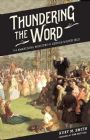 click for details | | THUNDERING THE WORD: The Awakening Ministry of George Whitefield KURT M. SMITH with Foreword by Tom Nettles In Thundering the Word, Kurt Smith labors to unpack a fresh biography of Whitefield, fixing attention on the years 1736–1742, which S. M. Houghton described as “the most dramatic and remarkable period of Whitefield’s life.” Here we see Whitefield as the gospel awakener par excellence, preaching Christ at the center of revivals on both sides of the Atlantic, while defending gospel truth in the face of error propagated by his closest friends. Assessing this season of Whitefield’s life in honest, pastoral candor, Smith helps us appreciate who George Whitefield was and why his faith should matter as worthy of imitation but only to that degree where it points us to Christ. TABLE OF CONTENTS Part 1: The Gospel Awakener 1. He Must Increase 2. Sleeping in Darkness 3. You Must Be Born Again 4. Setting the Foundation 5. The Calvinistic Evangelist 6. The Great Awakening and the Grand Itinerant 7. When Doctrine Divides: Catholicity, Controversy, and Calvinism Part 2: The Lasting Fire: Whitefield’s Ever-Burning Legacy 8. Less Than the Least 9. Preach the Gospel! 10. The Already and the Not Yet Appendix A George Whitefield Comes to Middleton Gospelling the Native American Indian Charging Satan’s Citadel Pursuing Peace Learning to Cease from Man Appendix B John Wesey’s Sermon “Free Grace” Preached at Bristol, in the year 1740 A Letter to the Rev. Mr. John Wesley in Answer to His Sermon Endorsements “In this, the 250th anniversary year of Whitefield’s death, Kurt Smith has produced a challenging, devotional, and balanced look at a man and preacher used mightily by God to call sinners to repentance.” - Sam Waldron “I truly hope that Thundering the Word will have a wide reading to the glory of Whitefield’s God and that the Lord will use it to provoke another generation of godly men to preach the faith once for all delivered to the saints in the power of the Spirit for Jesus’ sake.” - Jerry Slate Jr. “The life of the eighteenth century’s most celebrated evangelist and preacher is told with clarity and cultural sensitivity. The Whitefield that emerges is that of a passionate evangelist, a pragmatic entrepreneur, an astute citizen of the British Empire, and alas, a flawed, culturally compromised individual. A most valuable read.” - Derek W. H. Thomas “The life of George Whitefield is a life worth celebrating. It is a life worth reading and knowing about. It is a life that was lived for the glory of God and accompanied by the power and authority of heaven. The clarity in which Kurt Smith speaks of the divine power behind the passionate and effectual preaching of this great evangelist is simply captivating.” - Jeffrey D. Johnson “Kurt Smith writes as a convinced but thoughtful advocate, not blind to Whitefield’s real faults but persuaded of his gospel virtues. He has caught a little of Whitefield’s spirit, and he wants us to catch it too!” - Jeremy Walker BRAND NEW TITLE- 50% OFF  SGCB Price: $10.00 (list price $20.00) SGCB Price: $10.00 (list price $20.00)ORDER W/ 'GEORGE WHITEFIELD: God's Anointed Servant in the Great Revival of the 18th Century' by Arnold Dallimore SGCB Price: $20.00 (list price $42.00)THIS IS THE PRICE FOR BOTH TITLES (just one copy is available at this price) |
| ||
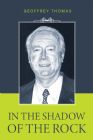 click for details | | IN THE SHADOW OF THE ROCK: An Autobiography GEOFF THOMAS Geoffrey Thomas has lived a memorable life. But despite his achievements, he tells his story as a man comfortably living in the shadow of something and Someone greater. Geoff shares his upbringing in Wales, his ministerial training in the United States, and his family life and ministry that stretched over fifty years at Alfred Place Baptist Church in Aberystwyth. Throughout the book, the winsome Welshman introduces us to a host of leaders he has befriended over the years, giving a valuable perspective on the transatlantic evangelical scene. And most of all, you will read of Geoff’s love for the Rock of his salvation. PREFACE by the Author "Why did Augustine of Hippo in Roman North Africa write his auto-biographical work, Confessions? What was the reason John Bunyan, while serving a twelve-year prison sentence in jail in Bedford, England, penned his autobiography, 'Grace Abounding to the Chief of Sinners'? Why did George Whitefield choose, at age twenty-six, to publish his Journals, other than 'for the Benefit of the Orphan-house in Georgia.' For what purpose did John Wesley publish his vast Journal? Why did C. H. Spurgeon tell his own life story? What provoked Elisabeth Elliot to publish the diary of her first husband, Jim Elliot? And why did Dr. Martyn Lloyd-Jones cooperate fully with Iain H. Murray in the writing of two volumes of his life? Surely none of them did it for 100 percent completely spiritual reasons; we are too corrupted by sin to hit that target in anything. But they believed that their personal dealings with God and the impact of their lives on the people around them could be helpful for readers. How right they were. Certainly none of them made that choice for purely carnal and self-promoting reasons, but as in everything they did—and that we do—there’s a mixture of the flesh and the Spirit. “Vanity of vanities...all is vanity” (Eccl. 12:8). Even the holiest things we have done have some pollution of sin. It was Spurgeon who made the best defense of the reason for writing about himself: “Whether this arises from egotism or not, each reader shall decide according to the sweetness or acidity of his own disposition. A father is excused when he tells his sons his own life-story, and finds it the readiest way to enforce his maxims; the old soldier is forgiven when he ‘shoulders his crutch, and shows how fields were won.’ I beg that the license which tolerates these may, on this occasion, be extended to me.” I wrote these chapters as an extension of my ministry and my vocation to proclaim the truth of the gospel of Jesus Christ and that I might further the end of the calling I believe I had received from God to explain the message of Christianity and to make known the whole counsel of God. And in this, as in all else, there is some success and some failure. These are bigger illustrations and smaller statements of important truths that I have believed all my Christian life." TABLE OF CONTENTS Preface 1. Dad 2. Mam 3. The Town Where I Grew Up 4. My Schooling and My Church 5. University in Cardiff 6. Seminary Days, Philadelphia, 1961–1964 7. Coming Home to Wales and Marriage, 1964 8. Aberystwyth, a Small Town with Almost Everything 9. Christianity in Aberystwyth in the Twentieth Century 10. Alfred Place Baptist Church 11. Beginning as a Preacher 12. My Journal 13. Key Brothers and Formative Influences 14. Some Memorable Conversations 15. The Ministry of Mercy in Aberystwyth. 16. Epilogue ENDORSEMENTS “For fifty years, Geoff Thomas has been my mentor and friend. His weekly emails recounting details of encounters and observations are often priceless. If I were forced to list my top five preachers, his name would be there. As a young Christian at Aberystwyth University in Wales, his mentorship and care for me proved definitive. I would not be where I am today without his guiding, supportive hand. He has preached all over the world, met and kept extensive diary-like notes of conversations with thousands of people, remained in the one church for over half a century, and influenced generations of preachers. That he should write a self-deprecating autobiography is a measure of the heart of this man. His autobiography is a window into the evangelical/reformed church of the last seventy years and more. I predict that this book will be widely read and talked about for years to come.” —Derek W. H. Thomas “For some time now, Geoffrey Thomas has been in the habit of sending out occasional letters that reflect on God and the gospel, his travels and life, and people and movements in the Christian world. They are gems. Well, reading these autobiographical reflections is like receiving an eleventy of these letters at one fell swoop! This volume of reminiscences is enthralling, winsome in its wisdom, and a fabulous window on God's work in one influential life, for Geoffrey Thomas has indeed had a profound influence for good in the Christian world, and especially among those people who are Reformed in their theology and vision of church life. It was a recommendation by Geoff to an Baptist elder in Belfast in 2000 that led to my being involved in Ireland, both the North and Eire, for two decades now—and I thank God for the author of this book and the fruit of Geoffrey Thomas' ministry and life. —Michael A.G. Haykin, Professor of Church History, The Southern Baptist Theological Seminary “Biographies and autobiographies usually make for fascinating reading. This volume will not disappoint. Yet it is more than the story of one faithful man’s ministry in ‘Aber’ for fifty years. The reader will gain perspective on the twentieth century as Geoff weaves his own story into the religious climate in Wales either side of World War II. The recovery of historic biblical Christianity is portrayed through his eyes. There are also delightful cameos of his professors at Westminster Seminary, of men who were his friends and had a formative influence on him, and also of some who were converted to Christ under his preaching ministry. The author has been candid and is very aware of his shortcomings but at the same time very conscious of divine mercy and grace that sustained him for those fifty years.” —Austin Walker, formerly pastor of Maidenbower Baptist Church, Crawley, UK “By the time Geoff Thomas began his long ministry in Aberystwyth, the tide had gone out, leaving the churches in Wales high and dry. The higher critical movement had robbed us of the gospel. I arrived in Aberystwyth in 1968, converted, called to preach but lacking any models or mentors. I learned to preach by listening to Geoff and by devouring the books he recommended . And I saw firsthand how the ascended Christ uses a local church for the advancement of his kingdom in the world. With disarming frankness, Geoff looks back over a lifetime of faithful, fruitful gospel ministry and shares with us the influences that shaped him, and the highs and lows of pastoral ministry. He speaks about his own mistakes and failures with refreshing honesty and self-deprecating humour. But at the same time there is no mistaking the high view he has of the call to full time ministry. “What a marvellously privileged life we lead,” he says, of the gospel minister. This book is full of so many rich, instructive brief bios of teachers and colleagues in ministry, some relatively unknown, some household names in the evangelical world. Of particular interest are the vivid little cameos of the Westminster faculty. What a privilege to have such teachers. How vital it is for a lifetime of ministry to set yourself up with the best possible theological education. And how blessed we who came under the influence of this man and his ministry.” —David N. Jones, Hobart, Tasmania, Presbyterian Church of Australia “I was under the ministry of Geoff Thomas during my doctoral studies at the university in Aberystwyth. His book is a magnificent work of autobiography. It provides the reader with a fascinating account into the life, upbringing, and influences upon this well loved and respected pastor and preacher who for over fifty years was a minister in Aberystwyth. This autobiography also provides fascinating glimpses into life at Westminster Theological Seminary in the early 1960's, into the church scene in Wales during the 20th century as well as the establishment of a couple of confessional Christian churches in mid Wales in both the Welsh and English languages.” —Jean-Marc Alter, school teacher and contributor to the Oxford Dictionary of National Biography “You can hear Geoff Thomas as you read this book. There is a generosity of spirit that gushes through the written word as it flows in his preached words, a love for his Lord, for people, for the Church, for his Baptist form of Calvinistic Methodism, for Wales, for Aberystwyth, for the people of Alfred Place. The anecdotes about and insights into his esteemed teachers at Westminster Theological Seminary are a treat. His openness about his own perceived failings and the troughs and peaks of his long ministry at Alfred Place, Aberystwyth, are lessons in honesty. We learn about many much loved people and a multifaceted pastoral ministry. Read it, be challenged, and be refreshed.” —Mostyn Roberts, minister at Welwyn Evangelical Church, Herts., UK “A man who has ministered for 50 years in a single congregation and remains as enthusiastic for the ministry as when he first began is a man who needs to write his autobiography. For those who know Geoff this book will fill you with thankfulness to God for him and his influence, for those of you who don't know Geoff personally it will be an introduction to one of the most remarkable ministers I've ever known. I'm delighted he has written his story." —Paul Levy, minister at the International Presbyterian Church, Ealing, London “This is a lively and engaging account of the life and ministry of one man, but it also sheds fascinating light on the state of Christianity in Wales and beyond in recent times. It demonstrates the value of faithful biblical preaching in bringing people to Christ, in building up believers in the faith, and in challenging the widespread godlessness in both the Church and society at large.” —Gwyn Davies. An elder in the Aberystwyth Welsh Evangelical Church “This personal account of Pastor Geoff’s life makes for a thoroughly enjoyable read, containing a bright array of personal and historical anecdotes, written in a warm and lucid manner. There is openness and honesty, the confession that not all has been as it could have been – a feature so helpful to those of us whose ministries have witnessed relatively little fruit. The brief biographical and eirenically-written sketches provide flashes of fascinating insight; the tracing of historical associations serve to deepen the understanding of evangelicalism, especially here in Wales. Geoff is eager that Christ be glorified, and especially through good theology. This account of his life as a minister of Christ’s Gospel serves to do this. It has been a joy and a privilege to have read this book and it comes with a warm recommendation.” —Gareth Williams, minister Bala Evangelical Church and lecturer Union Seminary “Geoff Thomas. One of Wales’ best known preachers during the 20th/21st centuries. Pastored a church in Aberystwyth for 50 years, influenced many of us, preached in congregations and conferences around the world as well as writing helpful books and many articles. Godly, wise, interesting, funny and good company! And now his life story in print. It is everything I was expecting and more. The story is fascinating and the way it is written, a real page turner. This deserves a wide audience. One of the true servants of the Lord Jesus.” —Alun Ebenezer, headmaster Fulham Boys School, London “Geoff is like Boris. He doesn’t need a surname. If a fellow pastor tells me that Geoff’s preaching, or that he’s had a letter from Geoff, I don’t need to ask which Geoff. For countless reformed Christians and especially pastors, there’s only one Geoff. He’s mentored us, encouraged us, inspired us and befriended us. He’s taught us to preach by preaching to our minds and hearts. He’s counselled us through tangles we’ve got ourselves into. He’s driven hundreds of miles to speak at our little meetings. We owe him more than I can say. And here it is at last - Geoff Thomas’s autobiography. All you ever wanted to know about Geoff’s forebears, his upbringing, his conversion and call to the ministry, his heroes, his teachers, his love for the USA, that extraordinary half-century of ministry in Aberystwyth, and so much more beside. Geoff's memoirs are fascinating, moving, self-deprecating, Christ-honoring and at times gloriously indiscreet. Thank you Geoff.” —Stephen Rees, minister at Grace Baptist Church, Stockport “A year or so after Dr. Martyn Lloyd-Jones had delivered his Westminster seminary lectures, ‘Preachers and Preaching,’ I asked him for his opinion of Westminster. He paid high tribute to the quality of its scholarship and teaching and to the way in which its professors had upheld the Reformed Faith in the face of considerable opposition. However, his concern was that ‘They are not producing preachers.’ I interjected, ‘But what about Geoff Thomas?’ He replied, ‘Yes, he is a preacher, but he comes from a different tradition.’ In this fine autobiography we can see the outworking of that tradition and ways in which it has been enriched from other tributaries to produce a Reformed pastor and teacher whose appeal has extended far beyond his native Wales. Geoff was converted in Welsh Evangelicalism as a teenager at a time when Nonconformity as a whole was suffering from the debilitating effects of liberal theology. More recently however, a number of congregations were being blessed were by the emergence of a generation of younger preachers who, encouraged by the ministry of Dr. Lloyd-Jones had discovered something of the Biblical strength of an older Dissent. The university Christian Unions were being strengthened at the same time. Geoff’s own thinking was undoubtedly sharpened by his years at Westminster Seminary after his graduation from Cardiff. At Westminster he was profoundly influenced by Scottish Highland theology and piety of Professor John Murray. However, he came back to Wales, still a Baptist and was called to his only pastorate, at Aberystwyth in the heart of the Principality. There he served supported by his beloved Iola and their three daughters Calls to preach came from far and wide and he was at home among conservative Presbyterians as well as Reformed Baptists, ever ready to minister to small groups as well as large congregations. How we thank God for the help and encouragement that he has given to us. Now in retirement from his pastorate and living in London with Barbara, his second wife, he continues to serve the wider cause with God-given energy.” —Robert W. Oliver, pastor emeritus at the Baptist church, Bradford on Avon. Church history lecturer at the London Seminary gt3 30% Off - This Hardcover Volume SGCB Price: $21.00 (list price $30.00)Order with Geoff Thomas' Two New Titles: "YOU COULD HAVE IT ALL" & "EVERYONE'S INVITED" SGCB Price: $28.00 (list price $46.00)THIS IS THE PRICE FOR ALL THREE THOMAS TITLES |
| ||
 click for details | | THE HEART IN PILGRIMMAGE: A Treasury of Classic Devotionals on the Christian Life Leland Ryken A Beautiful Collection of 50 Classic Devotionals Christians throughout the ages have written devotionals as a way to bend their souls toward God and teach about him, communicating rich truths and encouraging readers to grow in grace and godliness. In this collection of 50 devotionals and creeds by figures such as Augustine, John Calvin, and Nathaniel Hawthorne, literary expert Leland Ryken introduces readers to insightful selections of their classic writings. Each entry contains a devotional passage from a historical figure, analysis by Ryken, and a concluding Bible passage that sums up the devotional passage and its analysis. Literary-inclined readers and first-time devotional readers alike will relish this one-of-a-kind anthology carefully compiled to help them encounter God in fresh ways. Written by Leland Ryken: A literary expert with over 50 years of teaching experience Perfect for Daily Devotions: With a ribbon marker to keep your place in the book, each entry includes a historical devotional passage, analysis by Ryken, and a concluding Bible passage Features 50 Devotionals and Creeds from Church History: Features writers such as John Calvin, Jonathan Edwards, George MacDonald, Thomas à Kempis, Jane Austen, and J. I. Packer Editor’s Introduction 1. Finding Rest for Our Restless Heart: Augustine 2. How Jesus Is Our Hero: Gerard Manley Hopkins 3. Exhortation to Christlike Living: Florence Nightingale 4. For Whom the Bell Tolls: John Donne 5. Communing with God through Nature: George Washington Carver 6. Preface to Galatians: Martin Luther 7. Waiting on God: Andrew Murray 8. The Foundational Principles of the Christian Life: The Westminster and Heidelberg Catechisms 9. The Imitation of Christ: Thomas à Kempis 10. Two Prayers: Samuel Johnson 11. Jesus Our Guide and Guardian: John Henry Newman 12. Bidding Prayer: Lessons and Carols 13. True and Substantial Wisdom: John Calvin 14. What Christians Believe: The Apostles’ Creed 15. Following the Steps of the Master: Harriet Beecher Stowe 16. A Serious Call to a Devout and Holy Life: William Law 17. Practicing the Presence of God: Brother Lawrence 18. The Saints’ Everlasting Rest: Richard Baxter 19. What Makes the Bible the Greatest Book: Samuel Taylor Coleridge 20. Holy Living: Jeremy Taylor 21. Earthly and Divine Beauty: Jonathan Edwards 22. The Morning Prayer: The Book of Common Prayer 23. Reflections on the Supreme Loveliness of Christ: Dostoyevsky, Edwards, and Watson 24. On Loving God: Bernard of Clairvaux 25. The Rare Jewel of Christian Contentment: Jeremiah Burroughs 26. Nature as God’s Signpost: Nathaniel Hawthorne 27. Thoughts on the Mission and Greatness of Jesus: Blaise Pascal 28. Holy Dying: Jeremy Taylor 29. Trusting and Praising God in Extremity: William Bradford 30. Evening Prayer: Jane Austen 31. What the Bible Means to a Believer: The Geneva Bible and King James Version 32. The Almost Christian: John Wesley 33. The Estate of Marriage: Martin Luther 34. Death as a Welcome Sleep: John Donne 35. Morning and Evening: Charles Spurgeon 36. The Mystery of Providence: John Flavel 37. The Believer’s New Name: George MacDonald 38. Reflections on Mortality and Immortality: The Prayer Book’s Burial Service 39. The World as the Theater of God’s Glory: John Calvin 40. Holiness: J. C. Ryle 41. Death Is the Gate of Life: Lilias Trotter 42. Three Puritan Exhortations to Remember God’s Visitations: Bunyan, Baxter, and Pringle 43. A Believer’s Last Day Is His Best Day: Thomas Brooks 44. Charity and Its Fruits: Jonathan Edwards 45. Reflections on Providence: The Westminster Confession and Heidelberg Catechism 46. The Pursuit of God: A. W. Tozer 47. The Care of the Soul Urged as the One Thing Needful: George Whitefield 48. Edification from Last Wills and Testaments: Shakespeare, Park, and Keayne 49. All Things Shall Be Well: Julian of Norwich 50. Knowing God: J. I. Packer Notes on Sources Person Index Scripture Index ENDORSEMENTS “Having already opened the eyes of the body of Christ to its treasury of devotional poetry in The Soul in Paraphrase, Leland Ryken now widens our vision to take in the depth and breadth of two millennia of devotional prose. Running the gamut from the giants of the genre (Augustine, John Donne, Jonathan Edwards, Martin Luther, Brother Lawrence, Blaise Pascal, Julian of Norwich, Bernard of Clairvaux) to writers we do not usually identify with devotional writing (Florence Nightingale, Samuel Taylor Coleridge, George MacDonald, Jane Austen, George Washington Carver), The Heart in Pilgrimage conducts its readers on a spiritual journey that is well worth taking.” -Louis Markos, Professor in English and Scholar in Residence, Houston Baptist University; author, The Myth Made Fact: Reading Greek and Roman Mythology through Christian Eyes “This collection gives the gift of informed access to a great mixed chorus of voices with often surprising words that prick our imaginations and our hearts of faith. Even as we read and celebrate a glorious heritage of devotional expression, we are drawn ultimately to worship the glorious Lord God of the Scriptures who created us human beings and redeemed us through his Son.” -Kathleen Nielson, author; speaker “This is an edifying volume of diverse devotional texts skillfully excerpted and each followed by a brief overview. The texts span centuries, and Ryken’s editing makes them very accessible. The texts are marked by artful and clear expression, and all invite readers to open their hearts to God and experience his grace.” -James C. Wilhoit, Professor of Christian Education Emeritus, Wheaton College “Whenever I am asked to recommend a volume that combines literary study with sound Christian teaching, I recommend Leland Ryken. His new collection of rich devotional literature will move to the top of my list of recommended works. The Heart in Pilgrimage is a treasury of wisdom and beauty to which readers will return again and again.” -Karen Swallow Prior, author, On Reading Well: Finding the Good Life through Great Books “Like cool water to a parched throat, Leland Ryken has produced a soul-quenching gift with this collection of devotionals. Filled with beautiful writing devoted to an even more beautiful subject, The Heart in Pilgrimage delivers the truths of the Christian faith through masterful expression, promising to awaken fresh affections for the Lord among believers of every stripe.” -Collin Huber, Senior Editor, Fathom Magazine Leland Ryken (PhD, University of Oregon) served as professor of English at Wheaton College for nearly fifty years. He served as literary stylist for the English Standard Version Bible and has authored or edited over sixty books, including The Word of God in English and A Complete Handbook of Literary Forms in the Bible. cwn922 BRAND NEW TITLE FROM SEPTEMBER 2022 SGCB Price: $20.95 (list price $35.00)ORDER ALONG WITH 'THE SOUL IN PARAPHRASE: A TREASURY OF CLASSIC DEVOTIONAL POEMS' SGCB Price: $40.00 (list price $70.00)THIS IS THE PRICE FOR BOTH HARDCOVER TITLES |
| ||
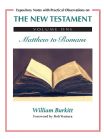 click for details | | WILLIAM BURKITT: EXPOSITORY NOTES WITH PRACTICAL OBSERVATIONS ON THE NEW TESTAMENT WILLIAM BURKITT (1650-1703) with New Foreword by Rob Ventura DUE TO SEVERAL UNFORESEEN ISSUES PUBLICATION DATE IS NOW UNCERTAIN VERY SORRY FOR THE LENGTHY DELAY. Although William Burkitt is not well-known in our day he was the man chosen to preach the funeral sermon for the great Puritan WILLIAM GURNALL, best known for his massive volume "The Christian in Complete Armor". MATTHEW HENRY stated that it was the New Testament Commentary of William Burkitt that inspired him to write his massive Commentary on the Old Testament Scriptures. GEORGE WHITEFIELD, the renowned evangelist, claimed that it was while reading the Commentaries of William Burkitt and Matthew Henry that he came to understand the glorious doctrine of JUSTIFICATION BY FAITH ALONE IN CHRIST ALONE. He went on to say in his diary that his preparation for his preaching in America was reading Burkitt and Henry on his knees. CHARLES H. SPURGEON wrote that this was 'a goodly volume' and recommended 'attentive perusal' of it to his ministerial students. "William Burkitt’s Expository Notes, with Practical Observations, on the New Testament were reprinted often in the eighteenth century and have long begged reprinting today. As a peace-loving Reformed Anglican, Burkitt was puritan-minded in thought and practice, and thus these notes are full of experiential, and especially practical thoughts. They reveal Burkitt’s pastoral heart for the unsaved, the beginner in grace, and the mature Christian. These enlightening notes contain the astute expository observations of Matthew Poole’s renowned 3-volume Commentary as well as the practical and homiletical flavor of Matthew Henry’s even more famous 6-volume Commentary. In some ways, they are a mixture of both, and worthy to be read by preachers and Christians alike as a reliable and practical guide to understanding the New Testament Scriptures. I highly recommend these useful volumes and am so grateful to Solid Ground Christian Books for reprinting them." —Dr. Joel R. Beeke, President, Puritan Reformed Theological Seminary, Grand Rapids, Michigan "Most of us have profited greatly from Matthew Henry’s or Matthew Poole’s commentaries on the Scriptures, and not Burkitt since his work was until now only available online. To think he was a friend of William Gurnall (and preached at his funeral) is quite extraordinary. Kudos, then, to Rob Ventura and Solid Ground Christian Books for making this volume available again. Generations to come will now profit from his exceptionally good comments." —Derek W. H. Thomas, Senior Minister, First Presbyterian Church, Columbia, South Carolina, Chancellor’s Professor, Reformed Theological Seminary, Teaching Fellow, Ligonier Ministries "Numerous Evangelicals from Matthew Henry to John Wesley, from George Whitefield to Jupiter Hammon deeply appreciated the works of William Burkitt, whose literary corpus was regularly being published into the nineteenth century. Like other Christian authors in the Puritan and Evangelical orbits, however, in the twentieth century his name and his books fell into almost-complete obscurity. This new printing of his New Testament reflections is thus most welcome, for it enables us to once again appreciate an author who was a force for good in his day, one whom Charles Haddon Spurgeon called “Old Master Burkitt.” —Michael A G Haykin, Chair and professor of church history, The Southern Baptist Theological Seminary. "To an earlier generation, William Burkitt’s name was well known. C.H. Spurgeon regarded Burkitt's expository commentary as a "goodly volume," and recommended "attentive perusal" of it. This republication of Burkitt’s ‘Expository Notes’ (perhaps J. C. Ryle intentionally echoed Burkitt) should bring this readable and practical author to modern readers. Pastor Ventura and Solid Ground Christian Books has done the church a good service in reacquainting us with this forgotten treasure. Read and be greatly edified." —Ian Hamilton, Principal, Westminster Presbyterian Theological Seminary, Newcastle "Burkitt's commentary is not as well known in our day as it has been in times past, and as it deserves to be still. Busy pastors may not feel the need for yet another commentary to consult in sermon preparation, but this is not just another commentary. In short order, Burkitt handles texts in such a way as to give helpful outlines, concise exposition, thought provoking observations and a variety of rich applications. His commentary is also useful as a heart-warming aid in private devotions. I am glad to see it back in print." —Lee McKinnon Pastor, Covenant Reformed Baptist Church, Bluefield, WV "The resurrection from obscurity of William Burkitt's New Testament commentary with this republication will breathe new life into the devotional reading of Scripture, especially in private and family use. This work possesses a beautiful spirituality wedded to orthodox doctrine in the Reformed tradition. It abounds with words fitly spoken, like apples of gold in pictures of silver. Burkitt’s commentary is not only faithful to biblical truth; it expresses that truth with literary grace. This two-volume set may well become your favorite first reference for general edification from New Testament passages. I warmly commend it to all." —D. Scott Meadows, Pastor Calvary Baptist Church (Reformed) Exeter, New Hampshire VOLUME ONE: Matthew - Romans is 540 pages VOLUME TWO: 1 Corinthians - Revelation is 460 pages SAMPLES: **MATTHEW 1:21 "You shall call His name Jesus, for He shall save His people from their sin." "Observe here, 1. A prediction of our Savior's birth; the virgin shall bring forth a son. 2. A precept for the imposition of his name; Thou shalt call his name Jesus, that is, a Savior. 3. The reason why that name was given him; because he should save his people, not temporarily, as Joshua did the Israelites from their enemies, but spiritually and externally from their sins; not in their sins but from them; that is, from the guilt and punishment, from the power and dominion, of them. Observe, 4. The peculiar subjects of this privilege; his people: He shall save his people from their sins. Learn, 1. That sin is the evil of evils; or that sin considered in itself, is comparatively the greatest and worst of evils. 2. That the great end of Christ's coming into the world, was to be a Savior from this evil. 3. That Christ's own people do want and stand in need of a Savior as well as others; if he does not save them from their sins, they must die in and for their sins, as well as others. Therefore he saves them from sin in three ways; 1. By obtaining pardon for sin, and in reconciling us to God. 2. By weakening the reigning power of sin, and implanting a new principle of holiness in the heart. 3. By perfecting and accomplishing all these happy beginnings at the end of this life in heaven." **MATTHEW 11:28-30 v. 28- "Here we have a sweet invitation, backed with a gracious encouragement: Christ invites such as are weary of the burden of sin, of the slavery of Satan, of the yoke of the ceremonial law, to come unto him for rest and ease; and as an encouragement assures them, that upon their coming to him they shall find rest. Learn, 1. That sin is the soul's laborious burden; Come unto me, all ye that labour. Labouring supposes a burden to be laboured under; this burden is sin's guilt. 2. That such as come to Christ for rest must be laden sinners. 3. That laden sinners not only may but ought to come to Christ for rest; they may come, because invited; they ought to come, because commanded. 4. That the laden sinner, upon his coming, shall find rest. Come, &c. Note here, That to come unto Christ in the phrase of the New Testament is to believe in him, and to become one of his disciples. He that cometh unto me shall not hunger, he that believeth on me shall not thirst. John 6:35. v. 29- Here note, That the phrase of take the yoke is judaical; the Jewish doctors spake frequently of the yoke of the law; the yoke of the commandments: and the ceremonies imposed upon the Jews are called a yoke, Acts 15:10. Now as Moses had a yoke, so had Christ. Accordingly, observe, 1. Christ's disciples must wear Christ's yoke. This yoke is twofold; a yoke of instruction; and a yoke of affliction; Christ's law is a yoke of instruction; it instructs; it restrains our natural inclinations, it curbs our sensual appetites; it is a yoke to corrupt nature; this yoke Christ calls his yoke, Take my yoke upon you: 1. Because he, as a Lord, lays it upon our necks. 2. Because he, as a servant, bore it upon his own neck first, before he laid it upon ours. Observe, 2. That the way and manner how to bear Christ's yoke must be learnt of Christ himself. Take my yoke upon you, and learn of me; that is, learn of me, both what to bear, and how to bear. Observe, 3. That Christ's humility and lowly-mindedness, is a great encouragement to Christians to come unto him, and learn of him, both how to obey his commands, and how to suffer his will and pleasure. Learn of me, for I am meek. v. 30-Observe here, 1. Christ's authority and greatness; he has power to impose a yoke, and inflict a burden. My yoke; my burden. 2. His clemency and goodness, is imposing an easy yoke, and a light burden. My yoke is easy, my burden is light: that is, my service is good and gainful, profitable and useful; not only tolerable but delightful; and as is my yoke such is my burden: The burden of my cross, both light, not absolutely, but comparatively; the weight of my cross is not comparable with the glory of my crown. Learn, That the service of Christ, though hard and intolerable to corrupt nature, yet is a most desirable and delightful service to grace, or renewed nature; Christ's service is easy to a spiritual mind. 1. It is easy, as it is a rational service; consonant to right reason, though contradictory to depraved nature. 2. Easy as it is a spiritual service; delightful to a spiritual mind. 3. Easy, as it is an assisted service; considering that we work not in our own strength, but in God's. 4. Easy, when once it is an accustomed service; though hard to beginners, it is easy to progressors; the further we walk, the sweeter is our way. 5. Easy, as it is the most gainful service; having the assurance of an eternal weight of glory, as the reward of our obedience. Well therefore might our holy Lord say to his followers; My yoke is easy, and my burden is light." **JOHN 1:14 "The evangelist having asserted the divinity of Christ in the foregoing verses, comes now to speak of his humanity and manifestation in our nature: The word was made flesh. Where note, 1. Our Savior's incarnation for us. 2. His life and conversation here among us. He dwelt or tabernacled for a season with us. In the incarnation or assumption of our nature, Observe, 1. The person assuming, The Word, that is, the second person subsisting in the glorious Godhead. Observe, 2. The nature assumed, flesh; that is, the human nature, consisting of soul and body. But why is it not said, The Word was made man? but, The Word was made flesh. Ans. To denote and set forth the wonderful abasement and condescension of Christ; there being more of vileness and weakness, and opposition to spirit, in the word flesh, than in the word man. Christ's taking flesh implies, that he did not only take upon him the human nature, but all the weaknesses and infirmities of that nature also, (sinful infirmities and personal infirmities excepted,) he had nothing to do with our sinful flesh. Though Christ loved souls with an infinite and insuperable love, yet he would not sin to save a soul. And he took no personal infirmities upon him, but such as are common to the whole nature, as hunger, thirst, weariness. Observe, 3. The assumption itself, He was made flesh; that is, he assumed the human nature into an union with his Godhead, and so became a true and real man by that assumption. Learn hence, That Jesus Christ did really assume the true and perfect nature of man, into a personal union with his divine nature, and still remains true God, and true Man, in one person, for ever. O blessed union! O thrice happy conjunction! As Man, Christ had an experimental sense of our infirmities and wants; as God, he can support and supply them all. Note farther, 2. As our Savior's incarnation for us, so his life and conversation among us; He dwelt, or tabernacled amongst us. The tabernacle was a type of Christ's human nature. 1. As the outside of the tabernacle was mean, made of ordinary materials, but its inside glorious; so was the Son of God. 2. God's special presence was in the tabernacle; there he dwelt, for he had a delight therein. In like manner dwelt all the fulness of the Godhead bodily in Christ; and the glory of his divinity shined forth to the eye and view of his disciples; for they beheld his glory, the glory as of the only begotten of the Father; that is, whilst Christ appeared as a man amongst us, he gave great and glorious testimonies of his being the Son of God. Learn hence, That in the day of our Savior's incarnation, the divinity of his person did shine forth through the veil of his flesh, and was seen by all them that had spiritual eye to behold it, and a mind disposed to consider it. We beheld his glory, the glory as of the only begotten of the Father." **JOHN 19:30- Observe here, 1. Our Lord's last words, It is finished. 2. His last act, He bowed his head, and gave up the ghost. As to the former, his last words, It is finished, this might be the probable intendment of it: 1. It is finished; that is, now is my Father's eternal counsel concerning me accomplished, and now is the promise that he made of my becoming a sacrifice for sin fulfilled; both my Father's purpose and my Father's promise are now receiving their final accomplishment. 2. It is finished; that is, the scriptures are now fulfilled; all the types that did prefigure me, all the prophetical predictions that were made of me, all the Jewish sacrifices that pointed at me, have now received their final accomplishment in me, and are abolished in my death. 3. It is finished; that is, my sufferings are now ended, my race is run, my work is done, I am now putting my last hand to it, my death is before me, I have finished the work, the whole work, which I came into the world for, doing as well as dying; all is upon the matter completed, it is just finishing, it will be instantly finished. Again, 4. It is finished: that is, the fury and malice, the rage and revenge of my enemies, is now ended, they have done their worst; the chief priests an soldiers, the judges and witnesses, the executioners and tormentors, have all tired out themselves with the exercise of their own malice; but now their spite and spleen, their envy and enmity, is ended, and the Son of God is at rest. 5. It is finished: that is, the glorious work of man's redemption and salvation is perfected and performed, consummated and completed, the price is paid, satisfaction is given, redemption is purchased, and salvation insured to a miserable world. Woe unto us, if Christ had left but one farthing of our debt to the justice of God unpaid; we must have lain in hell to all eternity, as being insolvent; but Chrst has by one offering for ever perfected them that are sanctified. Learn hence, that Jesus Christ hath perfected and completely finished, the great work of redemption, committed to him by God the Father. Observe, 2. Our Saviour's last act: He bowed his head and gave up the ghost. Whence learn, the spontaneity and voluntariness of Christ's sufferings, how freely he surrendered to death; his soul was not rent from him, but yielded up to God by him; Christ was a volunteer in dying; though his death was a violent death; yet it was a voluntary sacrifice; He bowed his head and gave up the ghost. **ACTS 12:5,6-"So Peter was kept in prison, but earnest prayer for him was made to God by the church. Now when Herod was about to bring him out, on that very night, Peter was sleeping between two soldiers, bound with two chains, and sentries before the door were guarding the prison." v. 5- "That is, fervent and importunate prayer was put up to God by the church on Peter's behalf: With the united strength of their whole souls they stormed heaven, and took him by force out of Herod's hand. Learn, 1. That when the church is plunged into deep perplexities, the only help she can hope for must come unto her in the way of prayer. Learn, 2. That when God suffers any of the ministers of the church to fall under the rage of persecutors, it is the church's duty to wrestle with God by prayer in an extraordinary manner on their behalf; "prayer was made without ceasing of the church." Learn 3. That when God intends to bestow any extraordinary mercy upon his church, he stirs up the hearts of his people to pray for it in a very extraordinary manner. v. 6- Observe, Peter continued in prison till the very night before Herod intended to bring him out to the people: And if they desired it, it is probable he intended to put him to death the next day. Learn thence, That God oft-times suffers his children to come to the pit's brink, and then delivers them, that they may be the more sensible of his mercy, and have the greater cause to magnify his power. Peter was now come to his last night; the tyrant Herod probably intended his execution next morning. Now was the time for God to step in: Our extremity is his opportunity. Observe farther, That notwithstanding Peter's imminent and impending danger, he sleeps very soundly, resigning up himself into the hands of Christ, and resolving, if he may no longer live Christ's servant, that he will die his sacrifice. I question whether Herod that imprisoned him slept half so soundly. Lord! how soft and secure a pillow is a good conscience, even in the confines of death, and in the very jaws of danger! Observe lastly, That God takes most care of Peter, when he was able to take least care of himself: When he was asleep, and altogether insensible of his danger, God was awake, and acting effectually in order to his deliverance. Happy prisoners! who have God with them in prison; such are prisoners of hope indeed, and shall certainly experience divine help." **1 CORINTHIANS 1:30,31- "Our apostle had in the foregoing verses acquainted the Corinthians how low and despicable their outward condition was in this world; he tells them the world looked upon them as weak and foolish, and, as such, despised and disdained them, but as a superabundant recompense for the despicable meanness of their outward condition, he tells them what they are in Christ Jesus, how rich they are as Christians; that Christ is made unto them wisdom, righteousness, sanctification, and redemption. Observe here 1. An enumeration of the believing Christian's privileges, received by virtue of his interest in Christ, and union with him; and they are wisdom, righteousness, sanctification, and redemption; to relieve us against our ignorance and blindness, he is our wisdom, the fountain of divine illumination, enabling us to see both our sin and danger; to discharge us from the burden of our guilt and obnoxiousness to divine wrath, he is our righteousness, the author of justification, procuring for us remission of sin, and acceptance with God; to free us from the pollution and power of sin, he is our sanctification; purging us by his Spirit, as well as pardoning by his blood, coming both by water and blood into our souls: and to set us at liberty from captivity and thralldom to sin and Satan, and the law, he is made our redemption, that is, the blessed author of a beloved redemption, not from Egyptian bondage or Babylonish captivity, but from the dominion of sin and servitude to Satan, from the wrath of God, from the curse of the law, from the danger and dread of death. Learn hence, That God hath stored up in Christ all that we want, a suitable and full supply for every need, and made it communicable to us: he is our wisdom, our righteousness, our sanctification, and redemption, our all in all, our all in the want of all. Observe, 2. The method, way, and manner, by and after which believers come to be invested with, and made partakers of, these glorious privileges: Christ of God is made unto us; this denotes, (1.) That Christ with all his benefits becomes ours by a special and effectual application: he is made unto us. (2.) That this application of Christ is the work of God, and not of man; of God he is made unto us. Learn hence, That the Lord Jesus Christ, with all the precious fruits and invaluable benefits of his death, became ours by God's special and effectual application. Observe, 3. The reason here assigned why the whole economy of grace is put into the hand of Christ, why all is communicated by him, and derived from him, namely, that all the saints' glorying may be in him, and not in themselves: That no flesh should glory in his presence, but as it is written, Let him that glorieth, glory in the Lord, ver. 29, 31. Infinite wisdom and sovereign pleasure has centered all grace in Christ; it hath pleased the Father that in him should all fullness dwell; and the fullness that is in him is a ministerial fullness, it dwells in him on purpose to dispense to us, according as our exigencies do require, and our faith deserve; for of him are we in Christ Jesus, who of God is made unto us wisdom, righteousness, sanctification, and redemption; that, according as it is written, 'He that glorieth, let him glory in the Lord.'" **2 TIMOTHY 3:16- Our apostle closes this chapter with an exhortation to Timothy to persevere in his study of the Holy Scriptures, by an argument drawn, 1. From the dignity and authority of the scriptures; 2. From their utility; 3. From their perfection. 1. From their dignity and authority, They are given by the inspiration of God: that is, they are not the contrivance of any man's wit and fancy, but a revelation of the mind and will of God; and those that wrote them were excited to it, and assisted in it, by the Spirit of God; no part of scripture had either angels or men for its author, but every part of scripture is divinely inspired or breathed by God, both for matter and order, style and words. A second argument is drawn from the utility and sufficiency of the holy scriptures; they are profitable for doctrine and instruction, teaching us what to know and believe in order to salvation, concerning God, and Christ, and ourselves, &c. for reproof of error, and confutation of false doctrines, for correction of sin and evil manners, for instruction in righteousness, directing us how to lead a holy and righteous life, according to the will of God. A third argument is taken from the perfection of them; they are able to make the man of God perfect, thoroughly furnished unto all good works; that is, to make the ministers of Christ complete in knowledge, faith, and holiness, every way fitted for their work and duty, as Christians, and as ministers. Observe here, 1. That the scriptures of the Old Testament, and not of the New, must be the scriptures here intended, they being the only scriptures which Timothy had known from a child; that was before the scriptures of the new Testament were written. Observe, 2. That the apostle doth not say that these scriptures were of themselves sufficient to make Timothy wise unto salvation, but only that with faith in Christ Jesus they were sufficient for that end; much more then must the scriptures both of the Old and New Testament together, when accompanied with faith in Jesus Christ, be sufficient for that end. Observe, 3. That the scriptures are a perfect, plain, and sufficient rule, in all things necessary to salvation. 1. They are a perfect rule; because the writers of them were inspired, and consequently their writings are infallible. 2. They are a plain rule; otherwise they would be no rule at all, of no more use to direct our faith and practice than a sun-dial in a dark room is to tell us the hour of the day. A rule that is not plain, whatever it may be in itself, is of no use to us till it is made plain. 3. They are a sufficient rule; they are able to make the man of God perfect, and wise to salvation. Here the church of Rome distinguishes, and says, the scriptures are sufficient to salvation, but not to instruction, to whom one of the martyrs replied, "If so, God send me the salvation and you the instruction." It is conceived by some that this was the last epistle that ever St. Paul wrote; if so, this is the last charge that ever he gave, and concerns us the more to attend to the solemnity of it. The chapter before us is St. Paul's Cygnea Cantio, his last and sweetest song; by a spiritual sagacity he saw his end approaching, and the time of his martyrdom to be at hand; he therefore, like a dying man, adjures Timothy in a most awful and tremendous manner, to preach the word with all diligence and care, which he had so highly extolled in the foregoing chapter, as being able to make all persons wise unto salvation." **JAMES 1:18-"Of his own will he has brought us forth by the word of truth, that we might be a kind of first-fruits of his creatures." These words are very expressive of four things, namely, of the efficient cause, the impulsive cause, the instrumental and the final cause for our regeneration. Observe, 1. The author and efficient cause of regeneration; he that is the Father of lights, mentioned in the foregoing verse, begat us. Note, that God, and God alone, is the prime efficient cause of regeneration; it is subjectively in the creature, it is efficiently from God: Christ appropriates this work to God, Matthew 11:23. The Scriptures appropriates it to God, Psalms 34:9, called his saints, and God himself appropriates it to himself, I will put my spirit within them, &c. Ezekiel 36:27 Observe, 2. The impelling, impulsive, and moving cause of regeneration, his own will: Of his own will begat he us; by his mere motion, induced by no cause, but the goodness of his own breast, of his own will, and not naturally, as he begat the Son from eternity; of his own will, and not necessarily, by a necessity of nature, as the sun enlightens and enlivens, but by an arbitrariness of grace; of his own will, and not by any obligation from the creature; by the will of God, and not for the merit and desert of man. Observe, 3. The instrumental cause of our regeneration, the word of truth, that is, the gospel, which is the great instrument in God's hand for producing the new birth in the souls of his people. Here note, the gospel is called truth by way of excellency, the word of truth, that is, the true word; and also by way of eminency, as containing a higher and more excellent truth than any other divine truth; the gospel declares the truth of all the Old Testament types. Observe, 4. The final cause of our new birth, that we should be a kind of first-fruits of his creatures, that is, of his new creatures, the chief among his creatures; the first-fruits were the best of every kind to be offered to God, and were given as God's peculiar right and portion; thus the new creature is God's peculiar portion taken out of mankind, which being consecrated to God by a new begetting, they ought to serve him with a new spirit, new thankfulness, as lying under the highest obligations unto new obedience. PRE-PUBLICATION OFFER OF THIS RARE TWO VOLUME SET SGCB Price: $79.95 (list price $130.00)OVERSIZED HARDCOVER SET |
| ||
 | | THE SERMONS OF GILBERT TENNENT A Rare Glimpse at the Forgotten Minister of the First Great Awakening Gilbert Tennent Though Gilbert Tennent is outshined by such men as Jonathan Edwards and George Whitefield, his contributions to the Great Awakening were no less significant. Archibald Alexander writes, "Indeed, all must acknowledge, that among the friends and promoters of the revival he stood pre-eminent." Whereas Edwards ministered mainly in the New England colonies and Whitefield traveled throughout the colonies, Tennent ministered in the middle colonies: New Jersey, New York and Pennsylvania. All of them ministered during a time of moral and spiritual decline, and all of them issued a clarion call for sinners to repent, pastors to lead and churches and denominations to purify themselves. The result 'by God's grace' was a special 'awakening' as the Holy Spirit stirred the slumbering masses and drew many to Christ. NOW YOU HAVE THE UNIQUE PRIVILEGE OF READING THE SERMONS OF THIS POWERFUL INSTRUMENT ON REVIVAL DURING THE FIRST GREAT AWAKENING. TABLE OF CONTENTS. SERMON 1. On Original Sin, from Rom. 5:12. SERMON 2. On the Wisdom of God in Redemption, 1 Cor. 1:24. SERMONS 3,4. On Early Religion, Prov. 8:17. SERMONS 5-14 From Ezek. 33:11. On Conversion. Sermon 5. The Wretched State of the Unconverted. Sermon 6. The Attainments of the Unconverted. Sermon 7. The Nature of Conviction. Sermon 8. The Nature of Conversion. Sermon 9. God's Lamentation over Sinners. Sermon 10. Delays in Religion inconsistent. Sermon 11. Unconverted Sinners lost Creatures. Sermon 12. The Call of God, and the Word of God. Sermon 13. The Pains of Satan to damn us. Sermon 14. Directions to the Unconverted. SERMON 15. On the Riches of Grace, from Rev. 22:17 SERMON 16. On Backsliding, from Jer. 3:22 SERMON 17. On Returning to God, from Hos. 2:6, 7. SERMON 18. On religious Singularity, from Mat. 5:46, 47. N. B. I have added one SERMON on Original Righteousness to the above, with Design to complete the Order of Subjects and enforce the Argument on Original Sin. Pre-Publication Special Offer SGCB Price: $14.95 (list price $25.00) |
| ||
 click for details | | THE SHORTER CATECHISM ILLUSTRATED: From Christian History and Biography John Whitecross "This unusual volume follows the doctrinal structure of the classic Puritan catechism, expanding each doctrinal point not with exposition, as is customary, but with many factual stories well selected by the author from a wide range of sources. Thus such subjects as Providence, Prayer and The Ten Commandments are illuminated with telling and sometimes fascinating narratives. First published in 1828, and passing through many editions in the last century, the book has been revised for greater usefulness today. SAMPLES: Matthew Henry, a little before his death, said to a friend, "You have been accustomed to take notice of the sayings of dying men: this is mine, That a life spent in the service of God, and in communion with Him, is the most comfortable and pleasant life that any one can live in this world." A Polish prince was accustomed to carry the picture of his father always in his bosom; and on particular occasions used to take it out and view it, saying, "Let me do nothing unbecoming so excellent a father." A suitable reflection for a Christian! The punctuality of John Newton, while tide-surveyor at Liverpool, was particularly remarked. One day, however, some business had detained him, and he came to his boat much later than usual, to the surprise of those who had observed his former punctuality. He went out in the boat as heretofore, to inspect a ship, but by some accident the ship blew up just before he reached it; and it appears, that if he had left the shore a few minutes sooner, he must have perished with the rest on board. It was remarked by one, 'If I have been honored to do any good in my day; if I have been of any use to the church of Christ, to my family, and to my fellow-creatures; if I have enjoyed any happiness in life (and I am happy to say I have had a large share); if I have any hope beyond the grave, and that hope I would not exchange for a thousand worlds-I owe all to the Bible.' In the Memoirs of Thomas Boston of Ettrick appears the following: Singing at family worship Psalm 121, this view of the Bible was given me, namely, that whatever were the particular occasions of the writing of it or any part thereof, I am to look upon it as written for me as much as if there were not another person in the world, and so is everybody else to whose hand it comes.' Sometimes there were more kings than one in Sparta, who governed by joint authority. A king was occasionally sent to some neighbouring senate in the character of a Spartan ambassador. Did he, when so sent, cease to be a king of Sparta, because he was also an ambassador? No; he did not divest himself of his regal dignity, but only added to it that of public deputation. So Christ, in becoming man, did not cease to be God; but though He ever was, and still continued to be, King of the whole creation, He acted as the voluntary servant and messenger of the Father. Among the many whom George Whitefield was honored to be the means of converting to the knowledge and love of the truth, and who will be a crown of joy to him in the day of the Lord, it is perhaps not generally known that the celebrated James Hervey is to be mentioned. In a letter to Whitefield, Hervey expresses himself thus: 'Your journals, dear sir, and sermons, especially that sweet sermon on What think ye of Christ? were the means of bringing me to the knowledge of the truth.' David Dickson, once Professor of Divinity in Edinburgh, being asked, when on his deathbed, how he found himself answered, "I have taken my good deeds and bad deeds, and thrown them together in a heap, and fled from them both to Christ, and in Him I have peace." John Whitecross, a schoolmaster, knew well what would gain the attention of the young and the book can be recommended for children of ten and over; it will also be of general interest to all readers and a valuable treasury of illustrative matter for the many in the home, school or church who have the responsibility of making Biblical teaching interesting. A DOZEN REFORMED CLASSICS CATECHISM TRILOGY SHC3 bl2o lbc JH3 SG1/13 Paperback Edition - Over 50% Off SGCB Price: $9.95 (list price $20.00)Hardback Edition - Limited Quantity SGCB Price: $17.95 (list price $35.00) |
| ||
 click for details | | COME, THOU LONG-EXPECTED JESUS edited by Nancy Guthrie Augustine, Begg, Boice, Calvin, Edwards, Lloyd-Jones, Luther, MacArthur, Packer, Owen, Ryle, Spurgeon, Sproul, Tada and many more TWO OUTSTANDING HARDCOVER WORKS THAT FIX OUR HEARTS AND MINDS UPON THE INCARNATION, THE DEATH AND RESURRECTION OF OUR BLESSED LORD. (1) JESUS, KEEP ME NEAR THE CROSS: Experiencing the Passion and Power of Easter TABLE OF CONTENTS Chapter 1: True Contemplation of the Cross (Martin Luther) Chapter 2: He Set His Face to Go to Jerusalem (John Piper) Chapter 3: An Innocent Man Crushed by God (Alistair Begg) Chapter 4: The Cup (C. J. Mahaney) Chapter 5: Gethsemane (R. Kent Hughes) Chapter 6: Betrayed, Denied, Deserted (J. Ligon Duncan III) Chapter 7: Then Did They Spit in His Face (Charles Spurgeon) Chapter 8: The Silence of the Lamb (Adrian Rogers) Chapter 9: The Sufferings of Christ (J. C. Ryle) Chapter 10: Father, Forgive Them (John MacArthur) Chapter 11: With Loud Cries and Tears (John Owen) Chapter 12: That He Might Destroy the Works of the Devil (Martyn Lloyd-Jones) Chapter 13: I Am Thirsty (Joseph “Skip” Ryan) Chapter 14: God-Forsaken (Philip Graham Ryken) Chapter 15: Cursed (R. C. Sproul) Chapter 16: Into Your Hands I Commit My Spirit (James Montgomery Boice) Chapter 17: Blood and Water (John Calvin) Chapter 18: He Descended into Hell and Ascended into Heaven (J. I. Packer) Chapter 19: A Sweet-Smelling Savor to God (Jonathan Edwards) Chapter 20: The Most Important Word in the Universe (Raymond C. Ortlund Jr.) Chapter 21: Resurrection Preview (Francis Schaeffer) Chapter 22: Peace Be unto You (Saint Augustine) Chapter 23: Knowing the Power of His Resurrection (Tim Keller) Chapter 24: Sharing His Sufferings (Joni Eareckson Tada) Chapter 25: Crucified with Christ (Stephen F. Olford) (2) COME, THOU LONG-EXPECTED JESUS: Experiencing the Peace and Promise of Christmas TABLE OF CONTENTS WITH CHAPTER SUMMARY Chapter 1: George Whitefield: Contemplating Christmas-An encouragement to pull away from frivolous holiday celebrations to truly contemplate the gift of the Incarnation. Chapter 2: Skip Ryan: Tabernacled Among Us-An exposition of John 1:14 about what it means that Jesus became flesh and “dwelt” among us. Chapter 3: Martin Luther: The Maiden Mary-An examination of Mary’s humility as a Jewish maiden, and her glad response to what God brought into her life. Chapter 4: John Piper: Conceived by the Holy Spirit-An exploration of the work of the Holy Spirit in the conception of Jesus in Mary’s womb and what the angel told Mary about the child in her womb. Chapter 5: Tim Keller: The Gifts of Christmas-Keller suggests four gifts we are given through Christmas—vulnerability for intimacy, comfort for suffering, passion for justice, power over prejudice. Chapter 6: Martin Lloyd-Jones: The Great Fulfillment-A presentation of Jesus as the great fulfillment of all the prophecies and promises of the Old Testament. Chapter 7: Ligon Duncan: Joseph: Righteous and Kind-A look at the character and faith of Joseph, Jesus’ earthly father. Chapter 8: Jonathan Edwards: To Be More Blessed Than Mary-An exposition of Luke 11:27-28 in which Jesus said that the person who hears and keeps the Word of God is more blessed than Mary who bore and nursed the Son of God. Chapter 9: Charles Spurgeon: Have You Any Room?-A sermon that presents all of the places where there was no room for Jesus—the inn, halls of government, temples of religion, places of business—and an invitation to make room for Jesus in your life. Chapter 10: Saint Augustine: The Word Was Made Flesh-A meditation on what it means that the Word was With God and Was God and then was made flesh. Chapter 11: J. I. Packer: For Your Sakes He Became Poor-Packer suggests that the key text for understanding the incarnation is 2 Corinthians 8:9: ‘ye know that grace of our Lord Jesus Christ, that though he was rich, yet for your sakes he became poor, that ye through his poverty might become rich.’ Chapter 12: John Calvin: Unto Us A Child is Born-A consideration of the promises of Isaiah 9 phrase by phrase. Chapter 13: Alistair Begg: Wrapped in Humility-A view of the incarnation through Philippians 2:5-7 and what it means that the God of glory poured himself into the humble form of a human servant. Chapter 14: Randy Alcorn: Shepherd Status-A history lesson on the place shepherds held in society and the implications of these lowly people being chosen as the first to hear about the birth of Jesus. Chapter 15: John MacArthur: Glory Revealed-Isaiah promised that the glory of God would be revealed, and it was revealed fully in the person and work of Jesus Christ who was “the radiance of the glory of God.” Chapter 16: Ray Ortlund, Jr.: Good News of Great Joy-Five reasons the birth of Jesus should give us joy just as the angels announced that the birth of Jesus was “good news of great joy,” Chapter 17: Francis Shaeffer: Seeing Jesus With the Shepherds-Significant ways seeing Jesus changed the lives of simple shepherds forever, and how seeing Jesus should change our lives. Chapter 18: J.C. Ryle: The Lessons of the Wise Men-The example of faith shown to us by the wise men who came to worship Jesus. Chapter 19: James Boice: Gifts of Faith-An examination of gold, frankincense and myrrh and what each gift given to Jesus meant. Chapter 20: R.C. Sproul: Embarking on a Course of Redemption-An exposition of the circumcision and naming of Jesus in the temple on his eighth day. Chapter 21: R. Kent Hughes: Those To Whom Christ Comes-Insights into Simeon and Anna and their longing to see the Savior. Chapter 22: Joni Eareckson Tada: A Christmas Longing-A connection of our Christmas longings to see Jesus to our longings for him to come again. (1) JESUS, KEEP ME NEAR THE CROSS: Experiencing the Passion and Power of Easter SGCB Price: $12.95 (list price $20.00)(2) COME, THOU LONG-EXPECTED JESUS: Experiencing the Peace and Promise of Christmas SGCB Price: $12.95 (list price $20.00) |
| ||
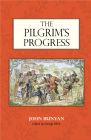 click for details | | THE PILGRIM'S PROGRESS: Edited by George Offor, including Bunyan’s own Marginal Notes JOHN BUNYAN THIS IS A COMPLETE, UNABRIDGED EDITION CONTAINING THE ORIGINAL MARGINAL NOTES OF JOHN BUNYAN. Other than the Bible, there is no book written in the English language that has been published more than “The Pilgrims Progress”, by John Bunyan. We believe there are two primary reasons for this. First, the book is thoroughly and eminently Scriptural. But secondly, and just as importantly, it is profoundly practical, being a deeply experiential and spiritual account of the realities of the true Christian call, conversion, walk, opposition, and spiritual rewards, both temporal and eternal; all applied to pilgrims of various gifts and capacities. The main reason this particular edition of Pilgrims Progress was selected is because the original editor, George Offor, carefully reviewed all eight of Bunyan’s own editions being careful to produce a copy that adhered strictly to Bunyan’s own revisions of the text. But in addition, Offor was also careful to include Bunyan’s Marginal Notes. Bunyan himself provided these notes and insisted that they were one major key to understanding the text, the other being the illuminating work of The Spirit. We have made no changes to Offor’s/Bunyan’s text in this edition. May it be blessed to your soul as it has been to millions before you is our prayer. Charles H. Spurgeon loved reading and re-reading this work, claiming to have read it over 100 times! Quite often his wife read it to him in the afternoon for relaxation and meditation. He often quoted Bunyan in his sermons declaring, "Though his writings are charmingly full of poetry, yet he cannot give us his Pilgrim's Progress, that sweetest of all prose poems, without continually making us feel and say, 'Why, this man is a living Bible!' Prick him anywhere, his blood is Bibline, the very essence of the Bible flows from him. He cannot speak without quoting a text, for his very soul is full of the Word of God." George Whitefield said of this book, "It smells of the prison. It was written when the author was confined in Bedford jail. And ministers never write or preach so well as when under the cross: the Spirit of Christ and of Glory then rests upon them." John Newton added, "Of all our author's writings, there is no one perhaps so universally and deservedly admired as his Pilgrim's Progress, in which he gives a delineation of the Christian life under the idea of a journey or a pilgrimage, from the City of Destruction to the heavenly Jerusalem. In this treatise Bunyan appears not only as a writer well instructed in the mysteries of the kingdom, but a man of real genius." John Owen once went to hear John Bunyan preach. Charles II, hearing of it, asked the doctor why someone as thoroughly educated as he would want to hear a mere tinker preach. Owen replied, "May it please your Majesty, if I could possess the tinker's abilities to grip men's hearts, I would gladly give in exchange all my learning." PP2* stst TT3 mg70 cwxs PP4* 24OSS BRAND NEW PRICE 50% OFF SGCB Price: $9.00 (list price $18.00)THIS BEAUTIFUL PAPERBACK EDITION IS NOW AVAILABLE TO SHIP ORDER WITH OUR NEW 'PILGRIM'S PROGRESS' TWO-PACK (75% OFF) SGCB Price: $12.00 (list price $48.00)INCLUDES THE CHEEVER'S LECTURES, & OFFOR FOOTNOTED EDITION |
| ||
| | SERMONS OF GEORGE WHITEFIELD in Two Volumes George Whitefield Edited and with an introduction by Lee Gatiss. Published by the Reformed Evangelical Anglican Library and the Church Society. "The publishers have done Anglican Evangelicals (and many others) a great service in bringing these wonderful sermons by George Whitefield back into easily accessible form. Lee Gatiss's excellent and comprehensive Introduction gives a clear way in to grasping the salient features of Whitefield's life and convictions, and of his relationship to classic Protestant Anglicanism. All those who want urgently to reconnect the contemporary Church of England with its evangelical heritage will be nourished and encouraged by this volume, and no doubt by subsequent volumes in this Series." Christopher Ash, Director of the Cornhill Training Course, London "In a time of much confusion about what counts as true Anglican theology, the Reformed Evangelical Anglican Library is a great gift, both to remind, to resource and, perhaps too, to rebuke todayÆs Anglicans. It is an especial joy to commend this edition of Whitefield's sermons, which provides such a readable and accessible text of Whitefield. May it spur us on in our time to proclaim Jesus Christ as passionately as Whitefield did, and with a similar biblical faithfulness." - Dr. Michael Ovey, Principal of Oak Hill Theological College, London "George Whitefield is surely the greatest of all British preachers. These transcriptions of some of Whitefield's sermons inevitably conceal much of his genius, but they do convey a sense of the power, simplicity and vivid impact of his message which God used to such remarkable effect in the 18th Century. This collection and Lee Gatiss' excellent introduction will inspire today's preachers and prompt us to follow the example of this great and godly man." - Vaughan Roberts, Rector of St. Ebbe's, Oxford and President of the Proclamation Trust. NIOT YET AVAILABLE SGCB Price: $59.95 (list price $72.00) |
| ||
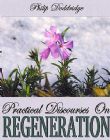 | | THE MISCELLANEOUS WORKS OF PHILIP DODDRIDGE (TWO VERY LARGE HARDCOVER VOLUMES) Philip Doddridge (1702-1751) SOLD OUT LAST NIGHT WITHIN ONE HOUR- WE ARE SEARCHING FOR MORE SETS Philip Doddridge – (1702-1751), Non-conformist and hymn-writer Eighteenth century England produced many excellent hymnwriters whose hymns are still sung today – Isaac Watts, Charles Wesley, and the Puritan Philip Doddridge, who died on October 26, 1751. Philip Doddridge was born in London, England on June 26, 1702, the youngest of twenty children. His health was so poor when he was born he was not expected to live, and Philip continued to be plagued by ill health all of his life. His parents died when he was a boy, but he was cared for by friends of the family. Recognizing Doddridge’s intellectual abilities, one benefactress offered to pay Philip’s studies at Cambridge. Philip rejected the offer, however, because he could not accept the tenets of the Anglican church. He went to a non-conforming seminary instead and became an evangelical, independent church leader. At twenty-seven Doddridge began to pastor the Castle Hill congregational chapel in Northampton, England. He was to continue there for the next twenty-two years. While in Northampton Doddridge offered a theological training school to prepare young men for ministry in independent churches. Over the years Doddridge taught about 200 men, conducting classes in Hebrew, Greek, math, philosophy, Bible, and theology. Because of his many accomplishments, the University of Aberdeen conferred a Doctor of Divinity degree upon Doddridge in 1736. Doddridge was a prolific writer. His The Rise and Progress of Religion in the Soul was translated into seven languages. Reading this book led William Wilberforce, foe of slavery, to become a Christian. Besides a New Testament commentary and other theological works, Doddridge also wrote over 400 hymns. Most of the hymns were written as summaries of his sermons and were to help the congregation express their response to the truths they were being taught. None of these hymns were published in Philip’s own lifetime, although they circulated in manuscript copies. At forty-eight, at the height of his ministry, Doddridge was dying of tuberculosis. Friends collected money to send him to Portugal where it was hoped warm air and sunshine might cure him; but it was too late. Philip Doddridge died on October 26, 1751 and is buried in the English cemetery in Lisbon. After his death a friend collected many of his hymns and had them published. Several still appear in today’s hymnals, including “Grace! Tis a Charming Sound” and “O Happy Day”. The latter is probably Doddridge’s most famous hymn. Based on II Chronicles 15:15, the hymn expressed the joy of a personal relationship with God. Doddridge himself titled the hymn “Rejoicing in our Covenant Engagement to God”. Baptists and Methodists often use the hymn at dedication services for Christian baptism, while British royalty have used it at the confirmation services for court children. CONTENTS VOLUME ONE (pages 1-631) Introductory Essay on the Life and Writings of Philip Doddridge I. The Rise and Progress of Religion in the Soul w/ a Dedication to Rev. Isaac Watts (1-114) II. A Plain Address to the Master of the Family on the Important Subject of Family Religion (115-132) III. The Life of Colonel Gardiner and Rev. T. Steffe (133-212) IV. A Course of Lectures on Pneumatology, Ethics and Divinity (213-544) V. On the Religious Education in Four Discourses (545-576) VI. A Series of Practical Sermons for Young Persons (577-631) VOLUME TWO (pages 632-1259) I. On the Power and Grace of Christ, and on the Evidences of His Gospel in Ten Sermons (632-696) II. A Series of Practical Discourses on Regeneration in Ten Sermons (697-772) III. A Number of Single Practical Sermons on Particular Occasions (773-814) IV. A Number of Funeral Sermons (815-859) V. A Number of Ordination Sermons (860-908) VI. A Handful of Occasional Sermons (909-972) VII. HYMNS Founded Upon Various Texts of the Holy Scriptures (973-1079) **There are nearly 400 Hymns Contained in This Section VIII. The Principles of the Christian Religion Expressed in Plain and Easy Verse (1080-1088) IX. Tracts and Miscellaneous Dissertations (1089-1121) X. Three Letters to the Author of a Pamphlet entitled 'Christianity Not Founded on Argument' (1122-1177) XI. A Series of Letters Written to Various People Addressing a Variety of Practical Subjects (1178-1207) XII. A Sermon Occasioned by the Death of the Rev. Philip Doddridge Preached by Job Orton (1208-1216) XIII. LECTURES ON PREACHING, And the Several Branches of the Ministerial Office (1217-1254) INDEX (1255-1259) "Practical Discourses on Regeneration are among the most vital wants of this age. Although for the last century much has been written on this great doctrine, nothing has fallen under our observation so popular, so plain, so scriptural, and so practical, as this production of Dr. Doddridge. The sermons were preached in 1741, during the period known as 'The Great Awakening' under the labors of Whitefield, Edwards, and others. And what was the GREAT DOCTRINE, which above all others was made prominent in the preaching of that time of God's power? What but this very Doctrine of REGENERATION, to the discussion of which these pages are so wisely and so warmly devoted." - J. Newton Brown, from Introduction to 1854 edition "The doctrine of the New Birth is one of the jewels in the crown of Christ's gospel. It is also our great protection against formalism which makes too much of sacraments and too little of heart religion. Excessive emphasis on the covenant and on Baptism are reappearing here and there as in the past. This fine work by Doddridge is a welcome reminder that without a spiritual rebirth no one is a true Christian". - Maurice Roberts "Increasingly recognized as a significant figure of the eighteenth-century revival, Philip Doddridge played an important role in bringing renewal to English Congregationalism. In part this was because of his determination to work with evangelical, God-fearing men of differing ecclesial persuasions, men such as the Anglican Calvinist George Whitefield. In part, it was also due to the way he modelled true gospel preaching that was pre-eminently Christ-centered. The sermons in this new reprint serve as an excellent introduction to this kind of preaching--a type of preaching desperately needed today in North America."-Michael A G Haykin SOLD OUT LAST NIGHT WITHIN ONE HOUR- WE ARE SEARCHING FOR MORE SETS SGCB Price: $79.95 (list price $90.00)SOLD OUT LAST NIGHT WITHIN ONE HOUR- WE ARE SEARCHING FOR MORE SETS |
| ||
| | GEORGE WHITEFIELD: A Definitive Biography Two Volume Hardcover Set Ernest A. Johnston, Foreword by J. I. Packer, Preface by Richard Owen Roberts "George Whitefield was one of those men whose concept of God matched both Scripture and reality. Rarely in the history of the world has the impact of a single man been so profoundly powerful, deeply felt, and enduring as that of this prince of preachers and fiery evangelist. I am grateful to say that Dr. E. A. Johnston has grasped the reality of this relationship between fact and fruit. He clearly demonstrates the magnitude of the God Whitefield served and shows the glory of God in the life of an ordinary man with a God-sized vision and passion. By the use of a wonderful array of quotations, observations and pointed applications, the power of God is revealed. These pages are both humbling and inspiring. Please read this work! As you read, set your heart to know the God that Whitefield knew and to serve Him with the same passion and power that made, and still makes, the name of George Whitefield a blessing to the kingdom of light and life and a curse upon the kingdom of darkness and death." - from the Preface by Richard Owen Roberts "Dr. Johnston tells Whitefield's story in a way that celebrates him as a servant of God, and thus can fairly be described as hagiographical. But there is nothing wrong with that, even though it is a kind of writing at which today's secular historians tend to turn up their noses. The author does not hide Whitefield's failings and imprudences, but concentrates on celebrating the way God used his servant, which makes his book hagiography of the most distinguished kind. He praises God for Whitefield, and wants his readers to do the same. We should agree with him that Whitefield is not a man to be forgotten, and be grateful for his labors to keep the great evangelist's memory green. If you care about the glory of God in the salvation of souls, you will find this book a tonic." - from the Foreword by J.I. Packer A REVIEW- "Perhaps the most popular biography on Whitefield currently is the 2 volumes by Arnold Dallimore. But with the publication of Dr. Johnston's new work, the perspective of Dr. Ted Rendall seems accurate: 'Others have written biographies of the herald of the 18th century revival, but Johnston has done his homework and presents new information and insights about Whitefield not included even in Dallimore's work.' Evangelist AI Whittinghill expresses my sentiments very well about this new biography when he says, 'In a wonderful blending of scholarship, passion and careful research, Dr. Johnston sets forth nugget after nugget of insight and information in this remarkable exposition of the man and the preacher, George Whitefield.' We heartily commend the close and prayerful reading of this monumental work and are thankful for its coming forth to Christ's church at such a time as this when nations more than ever need true preachers of the everlasting gospel." -- Mack Tomlinson COMMENDATIONS - "As soundness in theology and genuine piety wane from the Evangelical tradition, many believers, who feel a profound need for genuine Spirit-worked revival, find great encouragement by reading about past revivals. In this massive biography of George Whitefield, preacher par excellence of the Great Awakening who traveled thousands of miles to preach thousands of sermons to thousands of people, we find immense stimulation to rekindle the psalmist's prayer, 'It is time, Lord, for thee to work.' O that God would raise such men of godly zeal and endurance in our day!" - DR. JOEL BEEKE Puritan Reformed Theological Seminary, Grand Rapids, MI. "Illuminating and informative, Dr. E. A. Johnston's new biography is an inspiring portrait of the great 18th Century evangelist. The volume is not only an advance for our understanding of Whitefield studies, but provides insight into the context, challenges, and relationships that shaped the Great Awakening Johnston's work is a welcomed addition to the history of revivals. I heartily commend these well written volumes." - DR. DAVID S. DOCKERY President, Union University, Jackson, TN. "The time is right for a new biography of George Whitefield, the powerful evangelist of the First Great Awakening. That book has arrived. Read it for your profit and inspiration. You will not be disappointed." - DR. DANIEL L. AKIN President, Southeastern Baptist Theological Seminary, Wake Forest, NC. LQ TITLE BY GEORGE BIO SLASHED PRICE TITLE TENTMAKER LQ FIRST EDITION - With Photos on Regular Paper (Less Than 20 Sets Remain) SGCB Price: $45.00 (list price $90.00)50% Off - TWO LARGE HARDCOVER VOLS W/ DUSTJACKETS |